Wildlife Ecology & Management
Wildlife ecology and management applies science-based knowledge for the effective management and conservation of a vast array of wildlife species and the habitats they occupy, including game and non-game species.
LEARN FROM THE LANDSCAPE
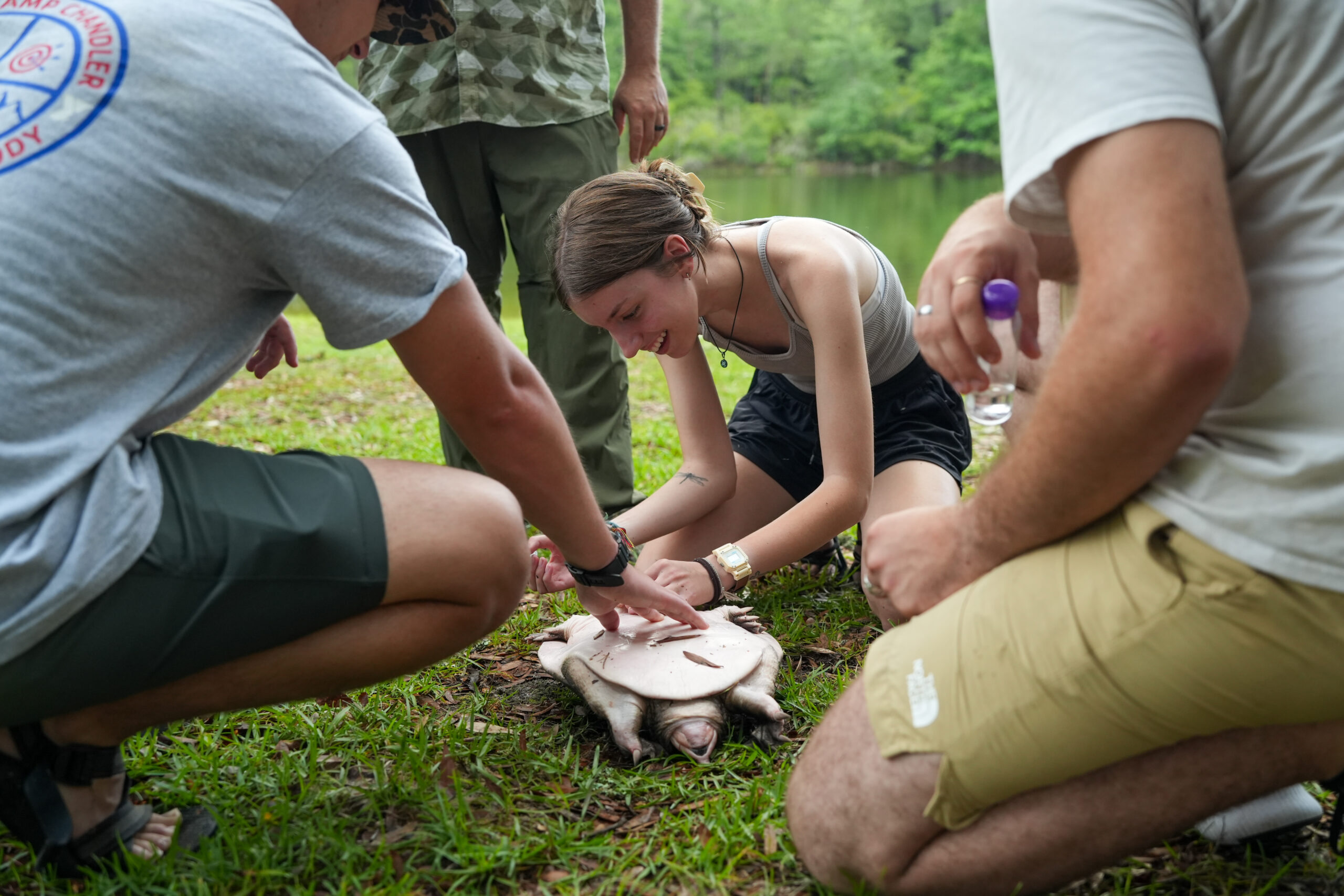
Located in the East Central region of Alabama, the Auburn University College of Forestry, Wildlife and Environment (CFWE) offers easy access to the abundant forests, rivers, streams and other waterways that make this state one of the most biologically diverse in the nation. Stretching from the Gulf of Mexico to the Tennessee Valley, Alabama’s diverse natural habitats make a one-of-a-kind living laboratory, providing students valuable hands-on opportunities to study ecosystems, conservation and sustainable resource management. With more than 6,000+ acres dedicated to outdoor learning, the CFWE offers an unparalleled student experience, industry-relevant career preparation and a transformative education that delivers exceptional value both inside and beyond the classroom.
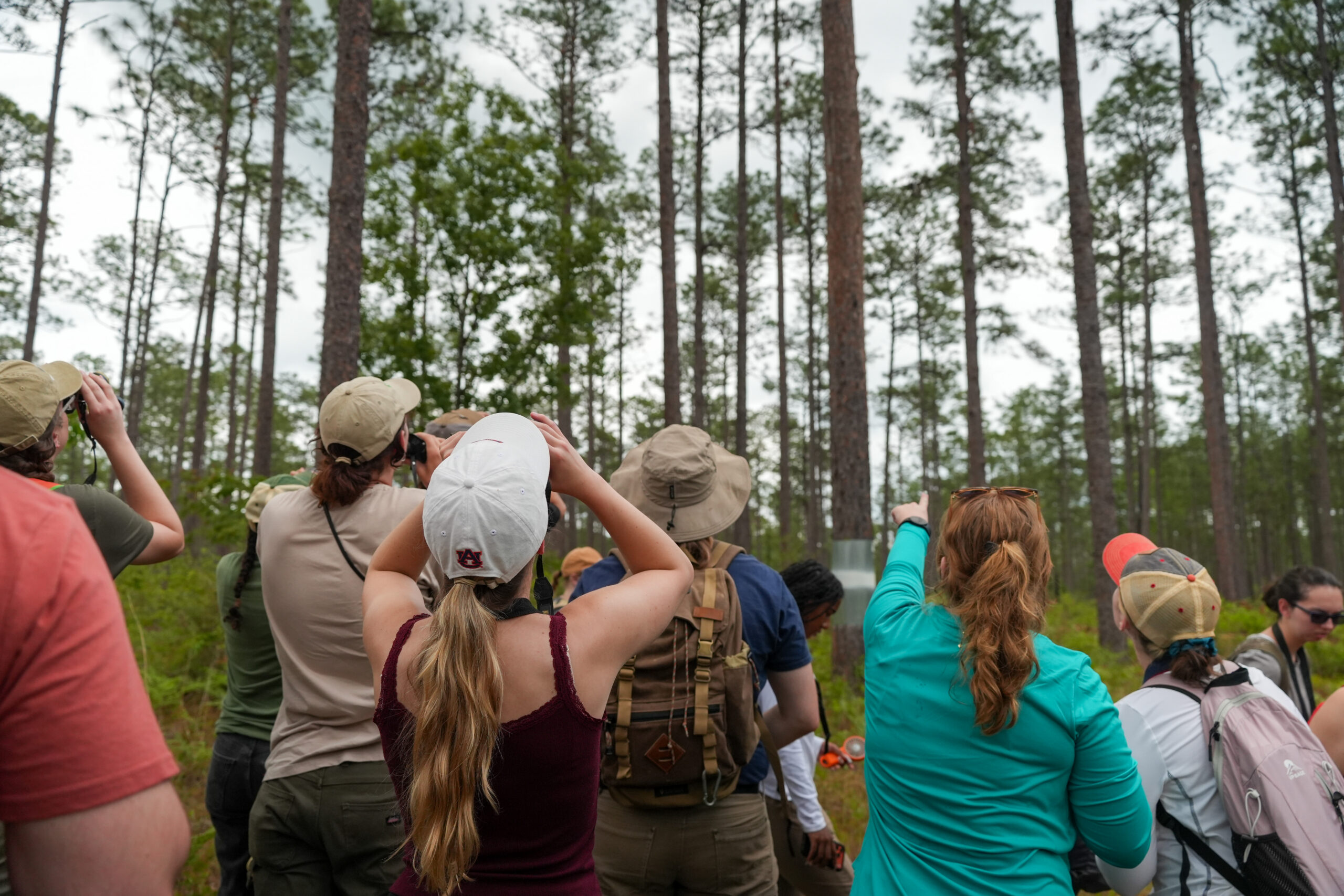
Whether it be working with endangered species, with farmers to help mitigate agricultural depredation by wildlife, or with the CDC to understand the role of wildlife populations as carriers of disease, the Wildlife Ecology and Management degree program provides a broad biological education that is specifically designed to meet the needs of students interested in careers involving wildlife ecology, management and conservation.
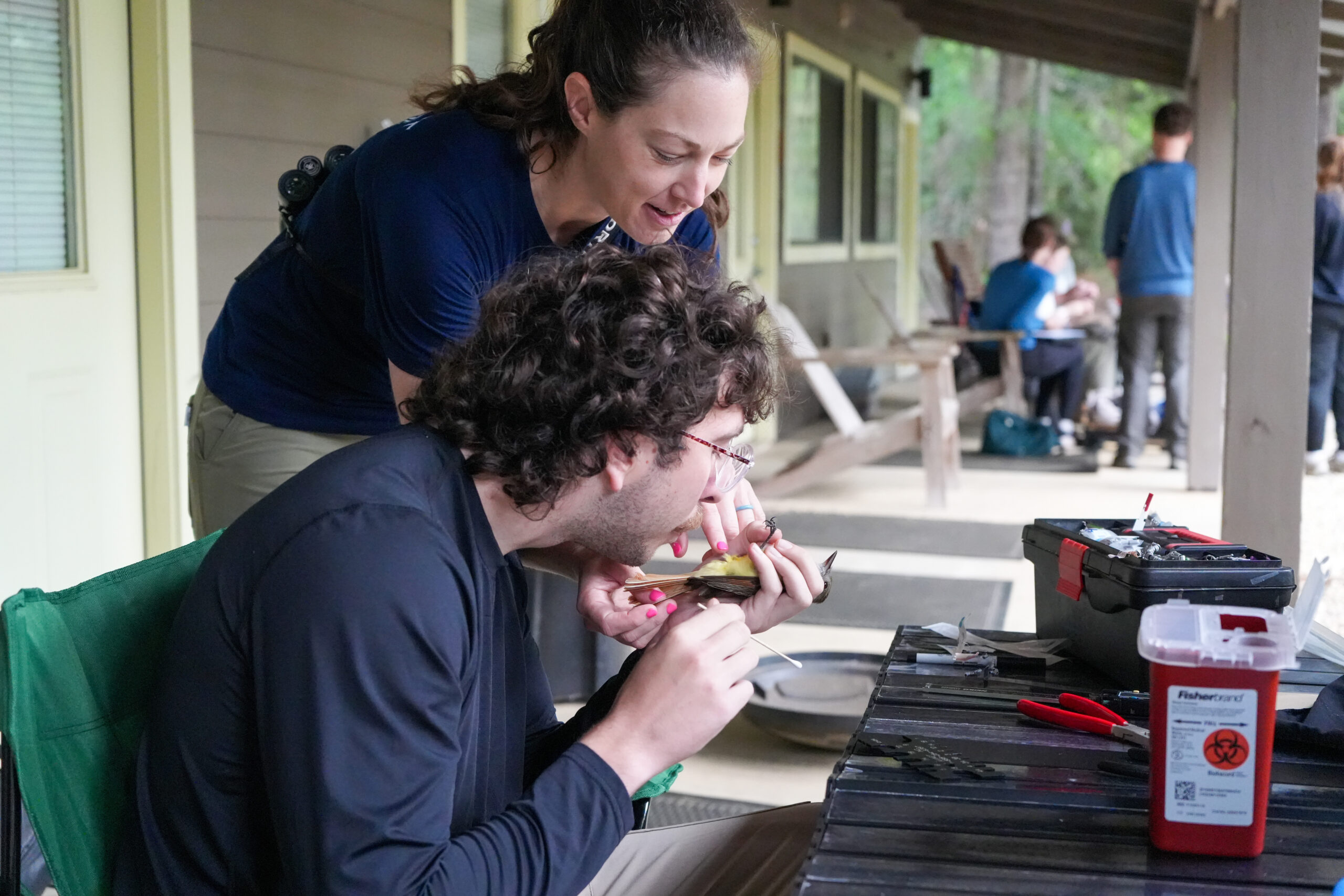
During their four years at Auburn, students gain field experience through outdoor labs and work opportunities. For a hands-on introduction to field work, students in the wildlife program spend a portion of the summer between their third and fourth years at our summer practicum at the Solon Dixon Forestry Education Center in Andalusia, Alabama, where they have the opportunity to work hands-on with a number of wildlife species that have included white-tailed deer, wild pigs, southern flying squirrels and other small mammals, as well as birds, reptiles and amphibians.
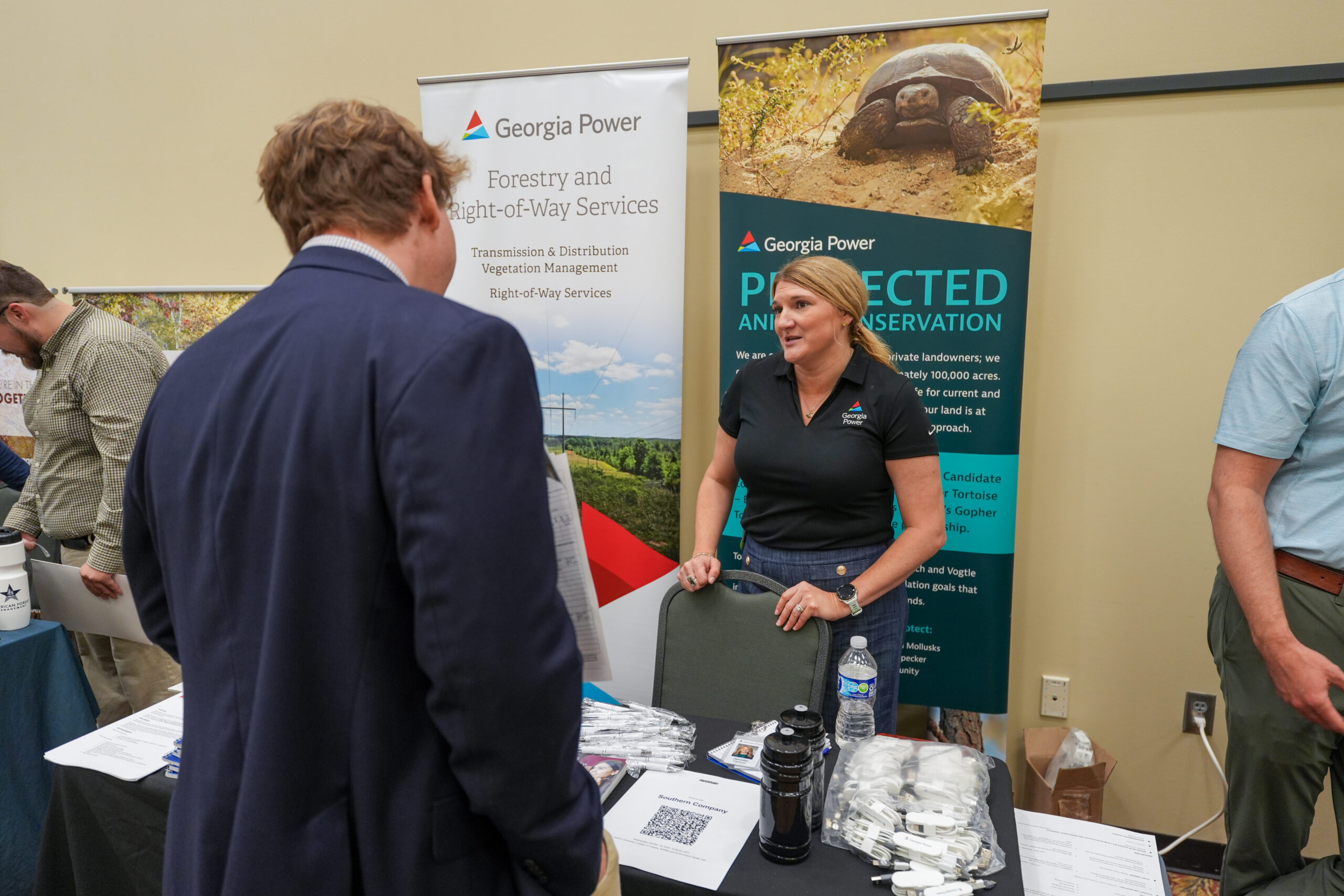
Our students are trained to address issues involving free-ranging wildlife populations and are sought after by state and federal agencies for their high-level technical ability. Others carve their niche as youth education specialists, thereby ensuring the next generation understands and appreciates the natural world. Whatever their ultimate destination, wildlife ecology and management graduates are making an impact in diverse career fields such as:
- Policy and Regulatory Agencies
- Conservation Biology
- Law Enforcement
- Land and Resource Management
- Wildlife Management
- Eco-tourism Operations